Blog

Laptop showing a bank, a phone, a card and coins connected to a confirmed payment

Automated payment reconciliation

Automated reconciliation connects POS and e-commerce sales with acquirers, banks, cash, financing, and gift cards. Implementation requires decisions on data collection, matching rules, and exception follow-up. These are the five steps we use at Quantum.

Read article

11 articles

Cash register with an open drawer and a card terminal in front of a platform panel; a person reviews a daily report
Comparisons9 min read

Quantum and Simetrik both automate payment reconciliation, but they solve different problems. Quantum focuses on retail chains that need to match the cash, card terminals, gateways and bank deposits of every store, every day, and it adapts to the way each operation already works. Simetrik is a financial control platform built for banks, processors and fintechs that move millions of transactions a day. This comparison explains where each one wins and who it suits.

Read article
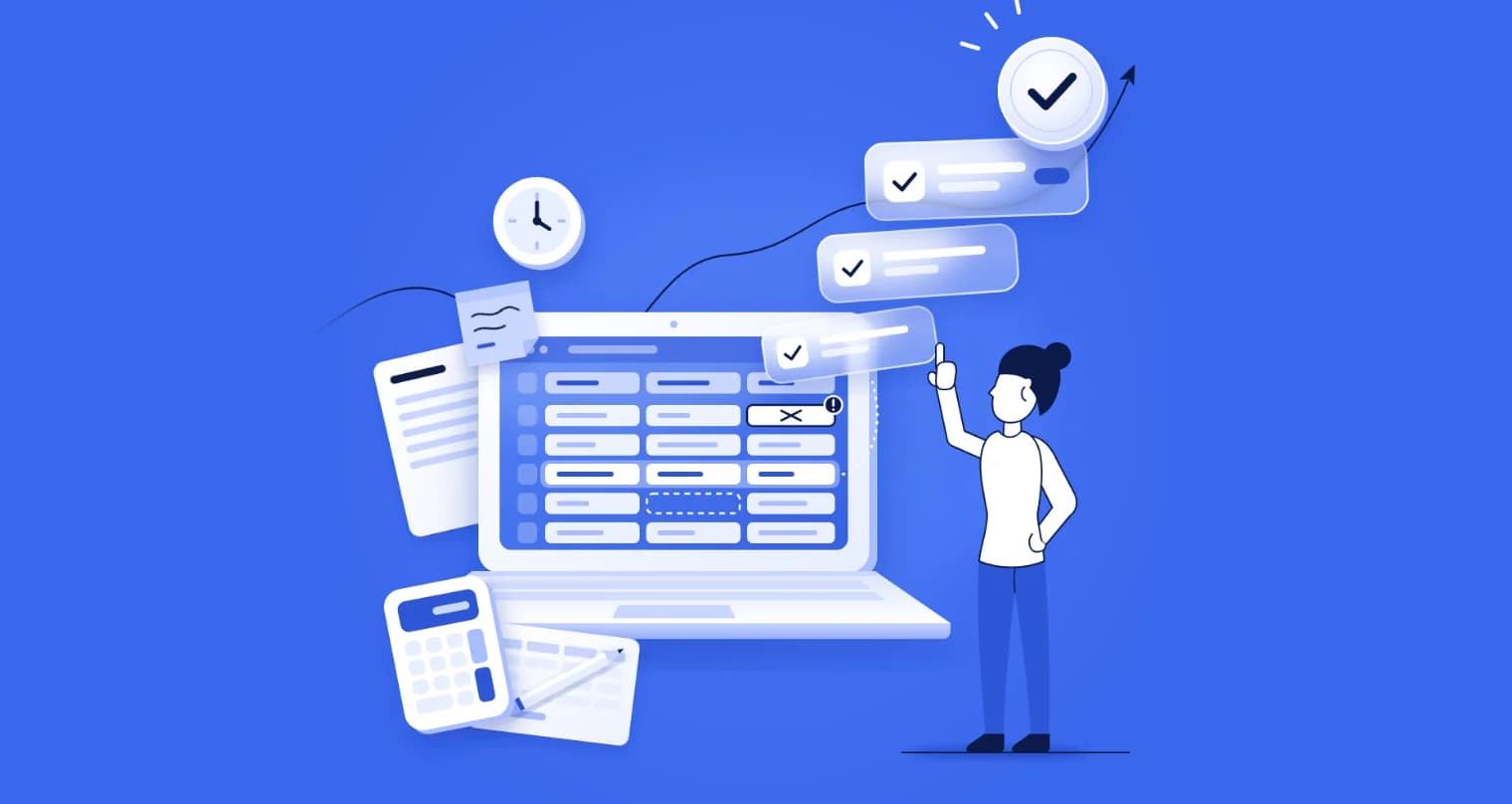
Laptop with a spreadsheet showing errors, with checked cards rising toward an approval badge; a person points at them
Comparisons8 min read

Excel is the tool almost every company starts reconciling with, and for many it is still enough. The problem starts when sources multiply: several card terminals, gateways, stores and grouped deposits. This guide explains how to do a bank reconciliation in Excel properly, when it stops being enough and what options you have when that happens.

Read article
Point of sale terminal with a receipt, a voided item, a refund and a discount tag
Loss prevention4 min read

Events after a sale need their own controls. Reviewing a void, refund or discount requires identifying the original event, applicable authorization and what happened to the money and merchandise.

Read article
Two people reviewing a dashboard with gauges, a trend line and an alert
Loss prevention8 min read

In 2025, Colombian retail chains lost COP 917.7 billion to shrink, according to Fenalco's national census. Less than a fifth of it was theft. The rest is spoilage, damage and errors, and part of those errors happens at the checkout: voids, refunds and discounts that nobody reviews.

Read article
Rules panel and an AI chip sending an exception to a person who approves it
Payment reconciliation5 min read

Financial reconciliation does not need to choose between “all RPA” and “one agent does everything.” Both extremes combine incompatible work. RPA is strong at repeating a known sequence; AI can interpret an ambiguous exception; a person should retain authority over a posting or value movement that is hard to reverse. **The reference architecture puts RPA at deterministic edges, AI in the ambiguous middle, and people before irreversible effects.**

Read article
Person with a magnifier finding an empty slot among files, next to a calendar and a clock
Payment reconciliation4 min read

A late file, a changed portal or an interrupted run should not turn the close into a manual reconstruction. Continuity starts with knowing what remains incomplete and where processing can safely resume.

Read article
Two people comparing a payment record with the amount received
Payment reconciliation6 min read

Governed reconciliation strengthens financial control when it turns every difference into an explainable exception with a stable code, evidence, owner, and verifiable closure instead of hiding the decision inside an autonomous matcher. Match rate can rise while control gets worse if nobody can explain which tolerance applied, why a case was accepted, or what happened to the unreconciled balance.

Read article
Two people analyzing a dashboard with indicators, a bar chart and a trend line
Loss prevention4 min read

A loss prevention dashboard should show which operations were observed, which signals were investigated and which outcomes were verified. Treating alert counts as losses confuses system activity with financial impact.

Read article
Case folder with a receipt, a camera frame and a transaction list under a magnifier
Loss prevention4 min read

A signal starts a review. The case should reconstruct what happened, which data supported the assessment and why a decision was made. Without that chain, an alert can become a conclusion nobody can verify.

Read article
Payment terminal with a receipt, a card and an approved check mark
Payment reconciliation6 min read

This plan organizes implementation into three 30-day stages: establish sources, automate rules and validate the close. Timing is illustrative and depends on data access, payment-method complexity and the capacity to resolve differences.

Read article
Robot assistant reviewing a checklist beside a dashboard with charts
Payment reconciliation4 min read

Reconciliation can release capacity, reduce costs or help recover money. These are different outcomes. A defensible business case shows what changed, which benefit was verified and what it cost to produce.

Read article

Get each new guide in your inbox

Payment reconciliation and retail loss prevention: practical cases and lessons from implementation.